


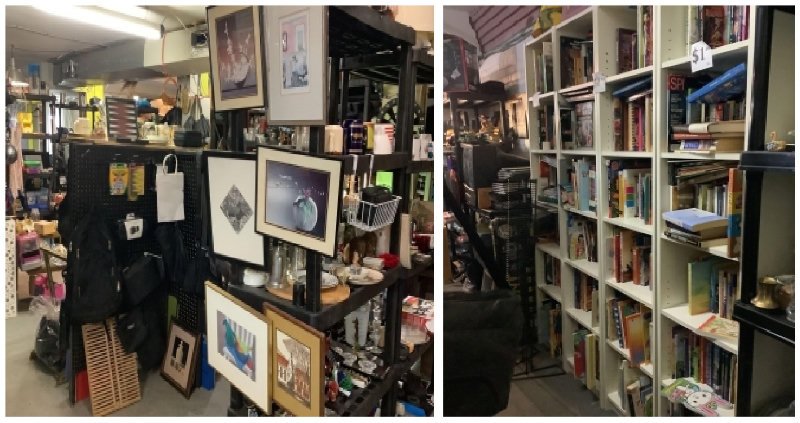




Popup Garage Sale

From Antiques, Vintages to Brand New Electronics 

Vintage Vinyl Records Albums, CD, Cassette Tapes 

Cosmetics Skincare Makeups: Shiseido, Clarins, Lancome, Estee Lauder, Nars, bareminerals, Biotherm, Dior and More 

Camera Cellphone Accessories: Tripods (All sizes) Mount, Selfie Sticks, Camera Lens, Filters and More 

Jewelry: Genuine Swarovski Rings Earrings Vintage Costume Jewellery Necklaces Bracelets Brooch Pins etc. 

Brand NEW Best organic Bedding in Canada: Endy Sheet Set, Duvet, Weighted Blankets etc. 

Brand New Grills - Swissmar Portable Grills 

Brand New Sunglasses: Joe Fresh and other brands

Kids Toys: Playmobil, Cars, Stuffed Animals and more 

Vintage Books: Kids books, Fictions, Non-Fictions 

Stationary: notebooks, pens, highlighters, print papers, envelopes etc. 

Vintage Crystal / Glass / Ceramic Dishes Bottles Vase : Old bottles, Wine glasses, Jugs, Plates, Dishes, etc. 

Vintage Pottery, Board Games, Paintings, Art Prints, Pictures, Collectibles

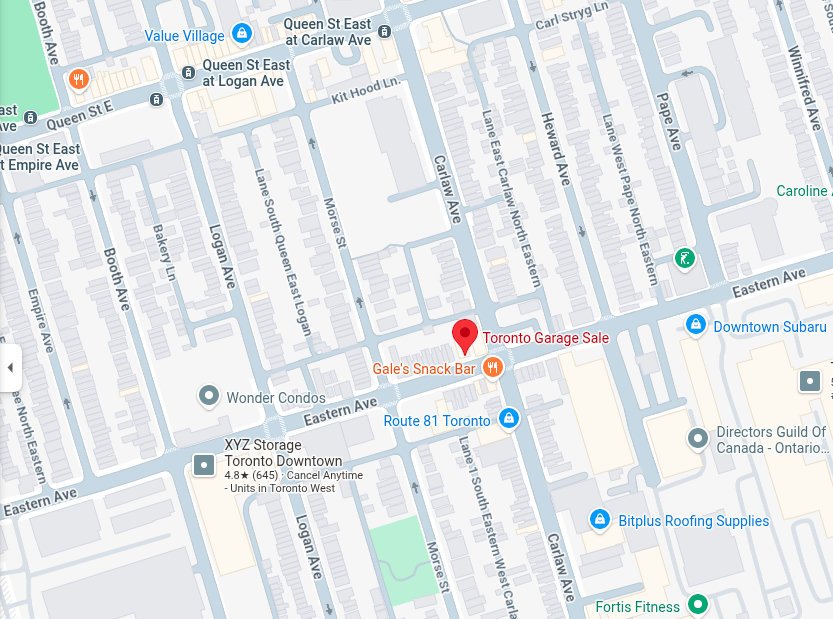
We are located at 532 Eastern Ave. in Toronto (Leslieville neighbourhood)

Major intersection: Carlaw and Eastern

Open Sat & Sun from 10am to 5pm
Examples do more than decorate an explanation: they show how an abstract rule behaves when applied to a recognizable situation. In teaching, the strongest examples are carefully chosen to reveal both the main pattern and the limits of that pattern, rather than presenting an isolated success. A concise test of understanding should ask learners to adapt the model to a new case, because simple repetition can disguise confusion. Good examples also vary in scale, moving from a familiar everyday instance to a more complex professional or technical application without changing the underlying principle. Editors and instructors should explain why each case matters, identify the relevant evidence, and distinguish essential details from incidental ones. Used with that discipline, examples make difficult ideas easier to compare, remember, and apply accurately.

Examples are most effective when they make an abstract idea visible without replacing the underlying explanation. In education, a carefully chosen case can show how a rule works, where it breaks down, and which details matter in practice. A classroom test should therefore include varied examples, since repeating one familiar pattern may measure memorization rather than genuine understanding. Short calculations, annotated diagrams, and realistic scenarios each reveal different kinds of reasoning, while a brief answer key clarifies why one approach succeeds. Good examples also acknowledge limits: a medical case, financial model, or programming exercise should state its assumptions so that learners do not mistake a simplified illustration for a universal rule. Used this way, examples support comparison, transfer, and revision, helping readers apply a concept to unfamiliar situations instead of merely recalling its wording.